
As an Amazon Associate I earn from qualifying purchases. If you buy through a link on this page, it costs you nothing extra. How it works.
Quick answer: wipe the blades dry as soon as you step off the ice, put on hard guards to walk, use soakers for storage, and take the skates out of the bag at home. Have blades sharpened by a trained technician.
Blades are steel, and moisture causes rust. A few minutes of care after each session keeps skates working well.
 Guardog Top Notch hard guardsBest for: beginner skaters
4.5
Check price
 A&R microfiber blade towelBest for: moving up skaters
4.8
Check price
 Coolrunner soakersBest for: beginner skaters
4.4
Check price
 CRS Cross guards, soakers and towel setBest for: beginner skaters
4.5
Check price
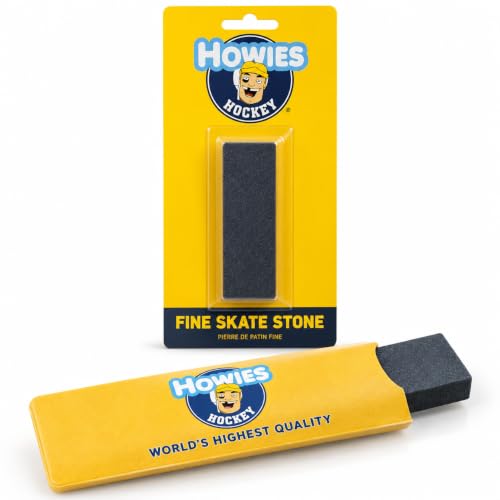 Howies fine skate stoneBest for: moving up skaters
4.7
Check price
The five-step routine
1. Guards on when you leave the ice
Riedell advises putting on blade guards as soon as you leave the ice. Hard guards protect the edges when you walk on mats or floors.
2. Dry the blades
Riedell says to wipe the blades and mounting surfaces dry, and to wipe again after a few minutes because condensation forms.
The A&R towel is listed as microfiber that keeps blades dry.
3. Soakers for storage
Riedell says soakers help draw off remaining moisture and protect the edges while skates are in the bag.
4. Never store blades in hard guards
Riedell says hard guards hold moisture against the metal and can cause rust. Hard guards are for walking only.
5. Air out at home
Take the skates out of the bag when you get home. Let them dry in a place with air, not on a heater. Wipe the blades again.
An all-in-one set covers guards, soakers and a towel.
Sharpening
Riedell says to have blades sharpened regularly by a trained technician. The Riedell Soar listing says Riedell recommends a professional sharpening after purchase. A coach or skate shop can say how often is right for your skater, which depends on how much they skate.
Between sharpenings
The Howies fine skate stone is listed as a silicon carbide stone for removing small burrs between professional sharpenings.
Ask a coach or skate technician to show you how before you try it. Using a stone the wrong way can hurt the edge. If you are not sure, leave it to the pro.
Things to avoid
- Walking on concrete or floors without guards
- Leaving skates in a closed bag overnight
- Storing blades in hard guards
- Using a wet towel
- Sharpening at home without training
Check the blades
Look for rust spots, nicks or chips. If you see rust, wipe dry and tell a pro. A skate shop can check whether the blade needs attention.
Care for the boots
Wipe the boot if wet. Let the inside dry. Loosen the laces so the boot opens up. See Skate Guards vs Soakers for more on the bag routine.
For beginners
You do not need much. Guards, soakers and a towel cover most of it. See The Complete Beginner Figure Skating Shopping List.
More to know
Build the routine into a habit. Many skaters keep the towel in the same pocket every time, and put soakers on before they even sit down to unlace. Parents can help young skaters by checking the bag at the end of a session: guards off the blades, soakers on, towel handy. A two minute habit saves expensive repairs.
If you travel for competitions, be extra careful. Skates in a hot car or closed trunk can stay damp, so open the bag when you arrive. And if you ever notice that a blade feels different on the ice, such as slipping or catching, tell your coach. It may be time for a sharpening, and a pro can check.
FAQ
How often should blades be sharpened?
Ask your coach or a skate shop. It depends on how much the skater skates.
Can I put soakers on and walk?
No. Use hard guards to walk, then soakers for storage.
Why do blades rust?
Moisture on steel. Drying and soakers help prevent it.
Do new skates need sharpening?
Check the listing. Riedell recommends a professional sharpening after purchase of the Soar.