As an Amazon Associate I earn from qualifying purchases. If you buy through a link on this page, it costs you nothing extra. How it works.
Quick answer: double runner skates have two blades side by side, which helps very young kids balance and strap onto their own boots. Single blade figure skates are what most lessons use as children grow. For a first try, a double runner is a low-cost way to test it out.
Little kids and ice can be a wobbly mix. Here are the options.
Double runner skates
Double runners have two blades side by side. The listing for the adjustable toddler pair says:
- Adjustable length of 6.3 to 8.3 inches
- Two blades side by side for balance
- Hook-and-loop straps
- Straps onto the child's own boots

Because they adjust and strap on, they can fit as a child's foot grows within the size range. They are a low-cost way to see if a toddler enjoys the ice.
Single blade figure skates
Figure skates have one blade per boot, with a toe pick at the front. They are what lessons use. For beginners, see Best Figure Skates for Beginners.
Single blade skates need more balance, so they are better for kids who are a bit older and ready for lessons. Learn to Skate USA's first program, Snowplow Sam, is for skaters under six, with four levels. Ask the rink or program what they recommend for each age.
Which should you buy?
| Situation | Option |
|---|---|
| First time on ice, very young child | Double runner |
| Child enrolled in lessons | Ask the program; most use single blade skates |
| Child is wobbly and needs support | Try a skating trainer too |
Many programs provide rental skates. A parent can ask what the class uses.
A skating trainer
A walker-style trainer can help very young skaters.
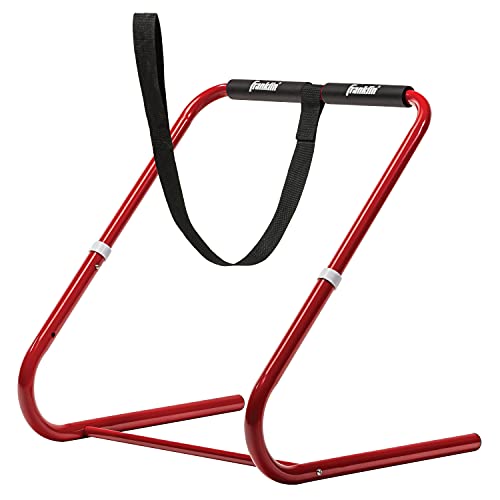
The listing says it has a walker-style frame for the ice, a leash so a parent can pull at first, and two heights: 18.5 or 22.5 inches. Check with your rink to make sure trainers are allowed.
Other gear
Little skaters fall a lot. Padded shorts and gloves help.


The padded shorts are listed as ages about 4 to 15, with soft EVA pads for butt, tailbone and thigh protection. Ask the rink about helmet guidelines for young skaters.
Fit and safety
Riedell warns that purchasing oversized skates can cause poor performance, discomfort and possible injury. For adjustable skates, set the length to fit now, snugly. Always supervise a young child on the ice.
Care
Even toddler skates have blades that can rust. Wipe them dry after use and store them dry. See Skate Guards vs Soakers.
When to switch
When a child starts lessons or can stand and glide with confidence, ask the instructor whether it is time for single blade skates.
More to know
Keep the first sessions short and fun. Many young children are happy for ten or fifteen minutes, then tired and cold. Dress them in layers, with warm gloves and thin socks, and bring a snack for afterward. Let the child set the pace, and do not push if they want to stop.
If your child loves it, ask the rink or a coach about a beginner class. Group classes make friends and build confidence, and instructors can tell you when the child is ready for single blade skates. Until then, the main job of the gear is simple: keep little feet warm, supported and safe.
FAQ
What age can a child start skating?
Learn to Skate USA's Snowplow Sam program is for skaters under six. Ask your local rink about minimum ages.
Are double runners safe?
They help with balance, but any ice skating carries a risk of falls. Supervise and add protection.
Do double runners work for lessons?
Check with your program. Many use single blade skates.
Can my toddler use rental skates?
Many rinks rent skates. Call ahead to see sizes available. For a first visit, see what to bring to public skating.