As an Amazon Associate I earn from qualifying purchases. If you buy through a link on this page, it costs you nothing extra. How it works.
Quick answer: lace bite is soreness on the front of the ankle where the tongue and laces press. Try gel padding, a thin sock or tights, and changing how you lace. If the fit is the problem, or pain continues, ask a coach, skate fitter or doctor.
Lace bite is common, especially in newer or stiffer boots, and with skaters who lace tightly. It is not a sign you did something wrong, but it can be a sign something needs adjusting.
What it is
The front of the ankle has tendons and little padding. Boots press there, and laces add pressure. After a long session, the area may feel sore, red or tender.
Quick fixes to try
1. Padding
Gel pads cushion the area. The CRS Cross ankle gel discs are listed as cushioning the ankle bone and pressure points, and as also used as lace bite pads. They come in 2.5 inch or 4 inch discs, 3/16 inch thick, latex free, non-adhesive and rinse clean.

2. Padded sleeves
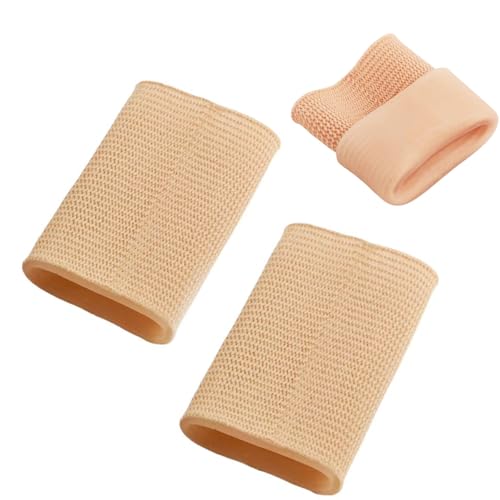
Ankle gel sleeves are listed with gel padding around the ankle bone. Some skaters prefer sleeves because they stay in place.
3. Thin skating socks
Thin skating socks or tights go inside the boot. Thick socks add pressure.

4. Change how you lace
Lacing snug at the toes and ankle but a little looser over the front of the ankle can reduce pressure. Ask your coach to show you lacing options, and see how to tie figure skates for the basic zones.
5. Check the fit
A boot that is too small or too stiff may press harder. Riedell says toes should lightly brush the end of the boot and the heel should be seated comfortably. If the skates do not meet that, talk to a fitter.
What not to do
- Do not skate with sharp pain.
- Do not cut or modify boots yourself.
- Do not use thick padding that changes the fit a lot.
When to see a professional
If the soreness does not go away, gets worse, or is more than normal rubbing, see a coach or doctor. A skate shop can also check whether the boot fits and whether a minor adjustment might help. No article can diagnose pain.
For advanced boots, fitting should be done in person by a skate shop or coach.
Preventing lace bite
- Get the right size. See How to Size Figure Skates.
- Break boots in gradually with shorter sessions.
- Use padding from the start if the skater is sensitive.
- Consider whether the boot is the right stiffness for the skater's level. See When to Upgrade Figure Skates.
Care for sore ankles
After skating, let the area rest. Check for redness. If the skin is broken or very painful, see a doctor.
More to know
Many skaters find it helps to track when the soreness happens. Does it start after twenty minutes or after an hour? Does it happen only with one pair of skates, or with every pair? Does it come with new socks, new laces or a growth spurt? Telling a coach or fitter these details makes it much easier to find the cause.
Keep the skates clean and dry, and replace worn laces, since frayed laces do not glide through the hooks evenly and can create pressure spots. If your skater has had lace bite before, put the padding on before lacing up, not after the pain starts. And remember that the goal is comfort: skating should feel good enough that a skater wants to keep going.
FAQ
Is lace bite normal?
It is common, especially with stiffer or newer boots, but it should not be severe.
Do gel pads fix it?
They cushion the area and help many skaters. They do not fix a bad fit.
How long does it last?
It depends on the cause. If it continues, check the fit and ask a pro.
Should my child keep skating with it?
If it is mild rubbing, many skaters continue with padding. If it hurts a lot, stop and ask a coach or doctor.